A paved road runs north through the park. Mornings and evenings bring the best light and the most wildlife.
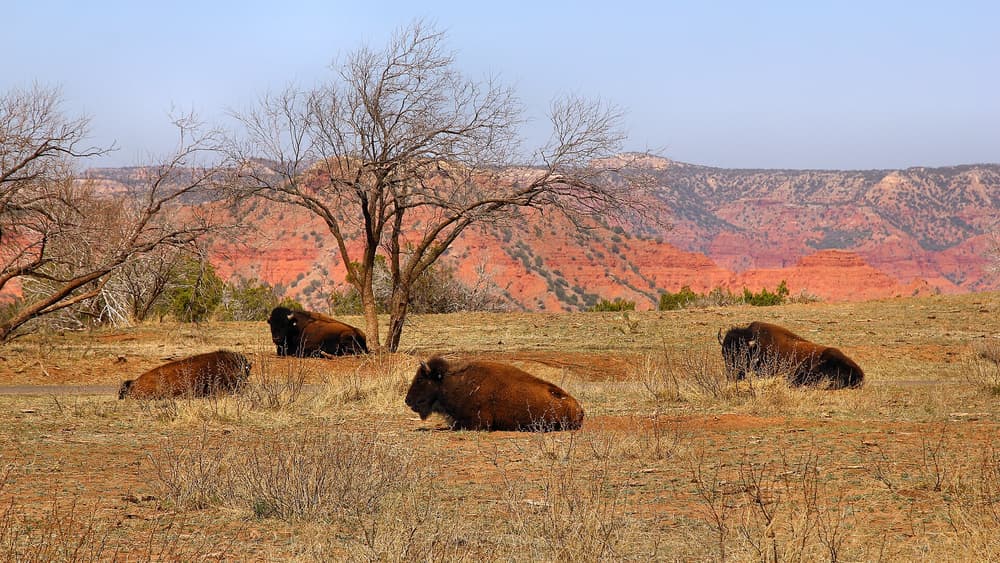
1 Texas State Bison Herd
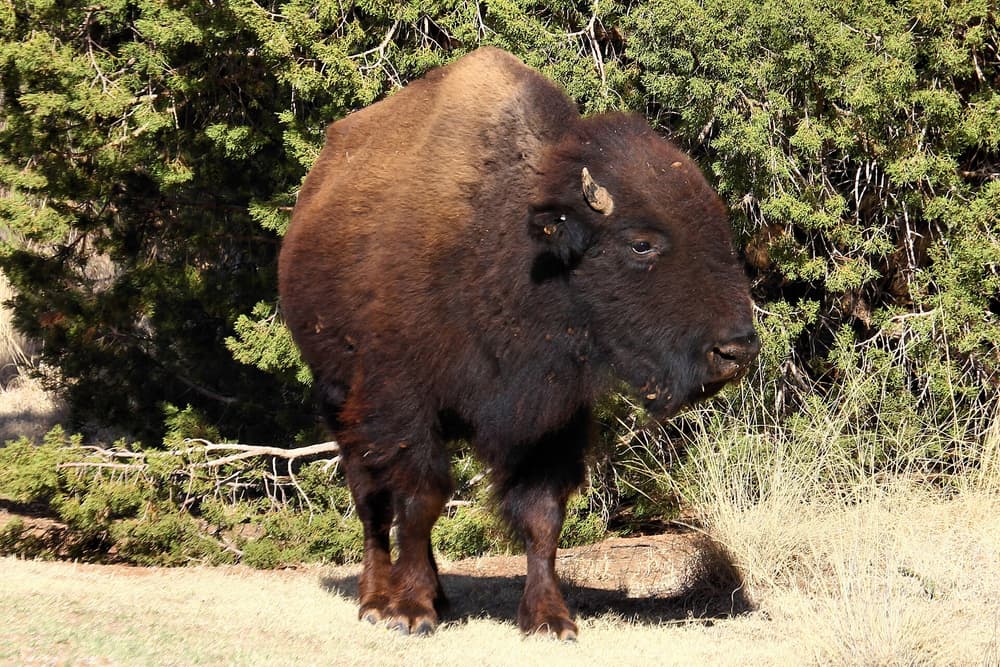
This herd keeps genes from the original southern plains bison, making it important for conservation as well as thrilling to watch. It ranges over a large part of the park.
Practical: Stay at least 50 yards away and stay in your car if they are close. Calving season is around spring.
2 Haynes Ridge Overlook
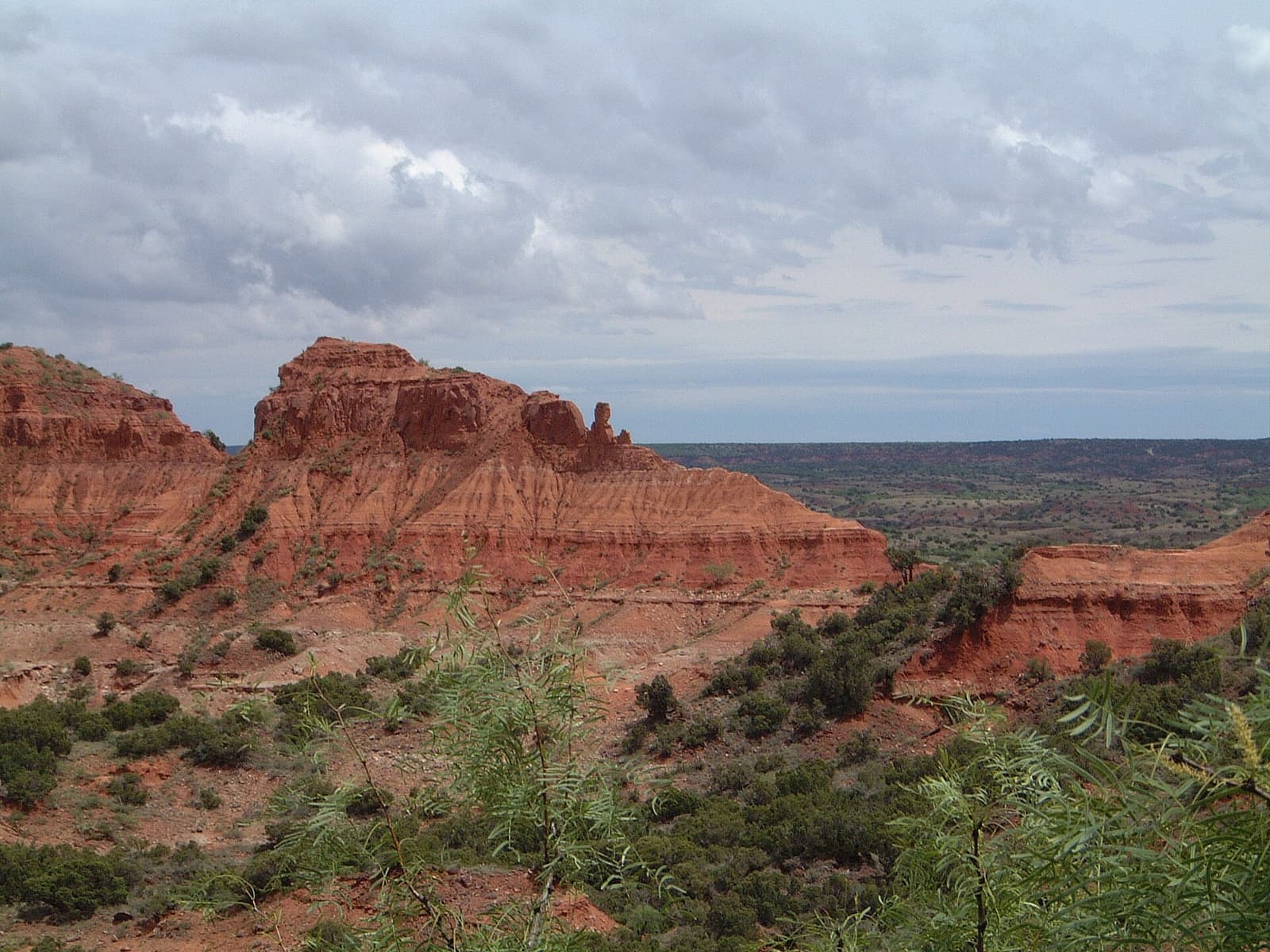
A demanding climb to a sweeping view over the red breaks. Experienced hikers can link it into a long loop, with steep and exposed sections.
Practical: Long and strenuous; carry a map and lots of water, and skip it in midsummer heat.
3 Lake Theo
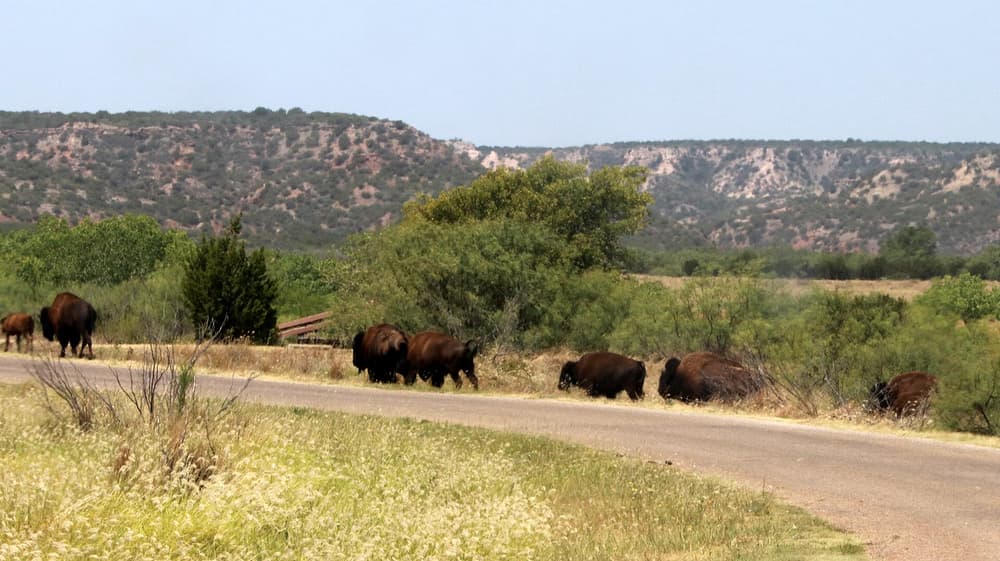
A small reservoir with a picnic area and an easy shoreline trail. Bison often graze nearby, and it makes a calm place to stop.
Practical: Water levels vary. Motor rules apply, so check the park’s notes.
4 North Prong and the Upper Canyon
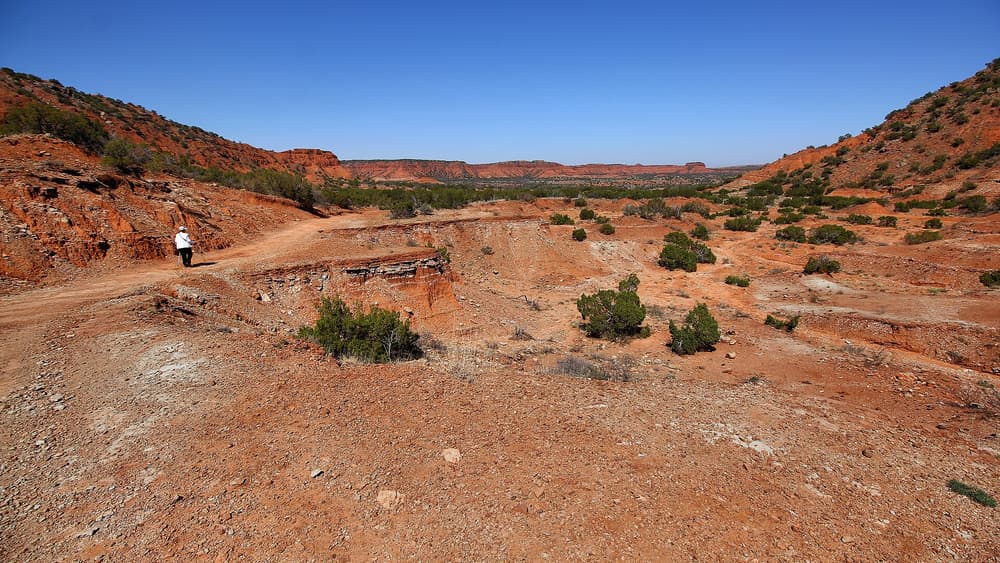
Trails lead along dry, sandy creek beds beneath red walls and into the park’s most remote corners. The solitude is the point.
Practical: Allow several hours and watch for flash-flood warnings.
5 Gypsum layers
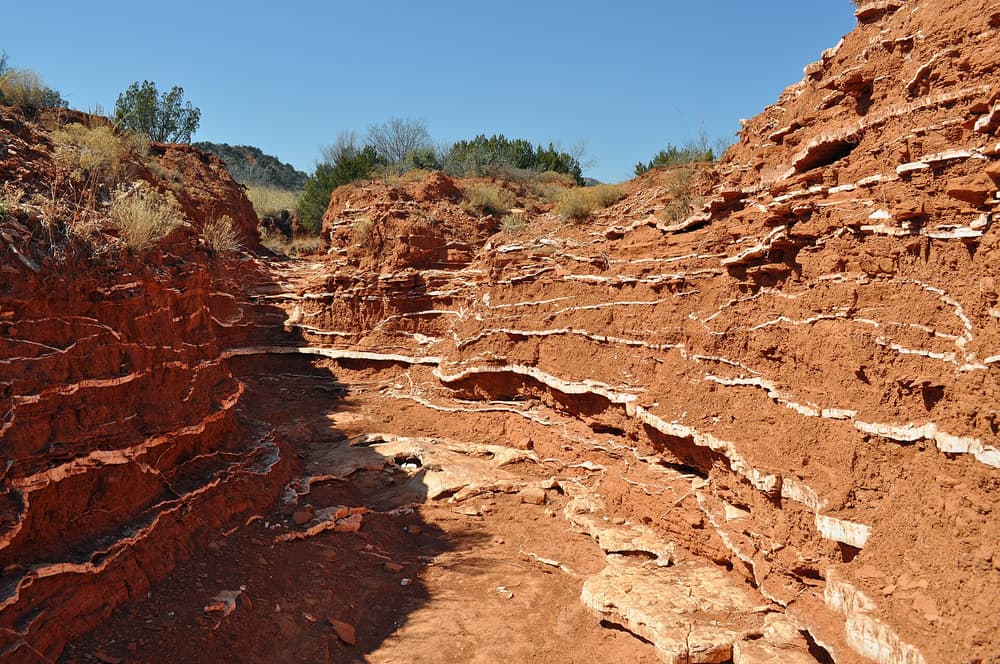
Bright white gypsum bands cut through the red rock like icing, and are one of the park’s most photographed details. Gypsum also makes much local water undrinkable, so bring your own.
Practical: Seen on many trails; do not rely on natural water sources.
6 Caprock Canyons Trailway and Quitaque
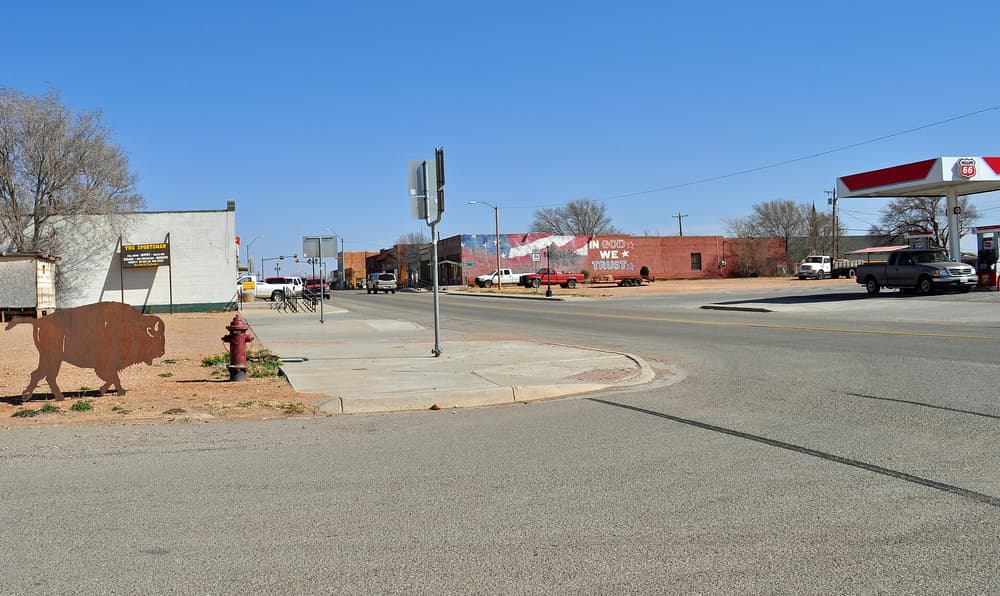
A former rail line, around 64 miles long, now serves hikers, cyclists and riders. Its old Clarity Tunnel is a summer home to Mexican free-tailed bats and closes seasonally to protect them. Quitaque itself has a few places to eat and a bison statue.
Practical: Check the tunnel closure dates with the park.