The Panhandle is easy, friendly and very American. A little preparation goes a long way.
Entry and documents
Overseas visitors follow normal US entry rules, such as a visa or ESTA where applicable. Rules change, so check official US government sources.
Money and costs
The currency is the US dollar, and cards are widely accepted, though small-town cafés may prefer cash. Tipping around 15–20% is normal in restaurants. Compared with big US cities, hotels and meals are good value, and most sights are free or inexpensive. Sales tax is added at the till.
Safety and weather
Crime is rarely an issue for visitors. Nature is the bigger concern:
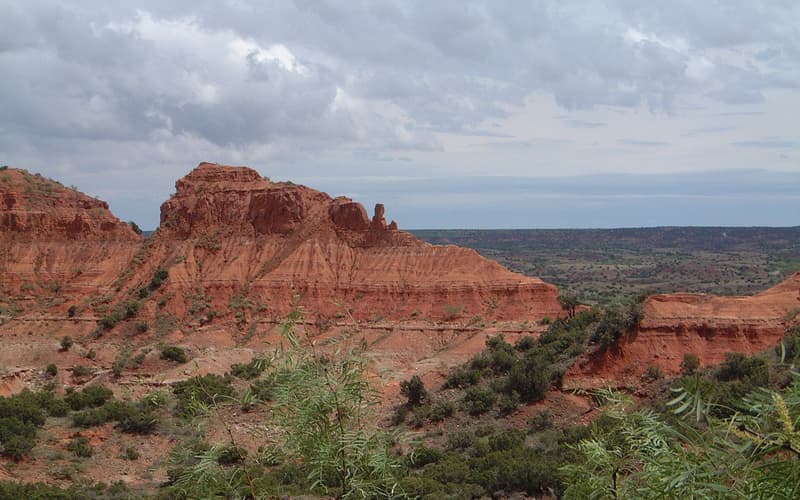
- Heat: canyon trails can be dangerous in summer. Start at dawn and carry plenty of water.
- Severe storms: from about April to June, follow weather alerts for hail and tornadoes.
- Flash floods: never enter flooded crossings.
- Wildlife: keep well away from bison, and watch for rattlesnakes.
Food
Beef is king. Expect steak, barbecue, chicken-fried steak and Tex-Mex. Vegetarians should look to the bigger cities and supermarkets.
Packing
Bring layers, a windproof jacket, a sun hat, sunscreen, sturdy shoes and a large water bottle.
Connectivity
Phone coverage is good on the interstates and poor in canyons and rural areas. Download maps before you set off.
Time zone
Almost all of the Panhandle is on Central Time. New Mexico, next door, is on Mountain Time, so watch out when crossing.
Accessibility
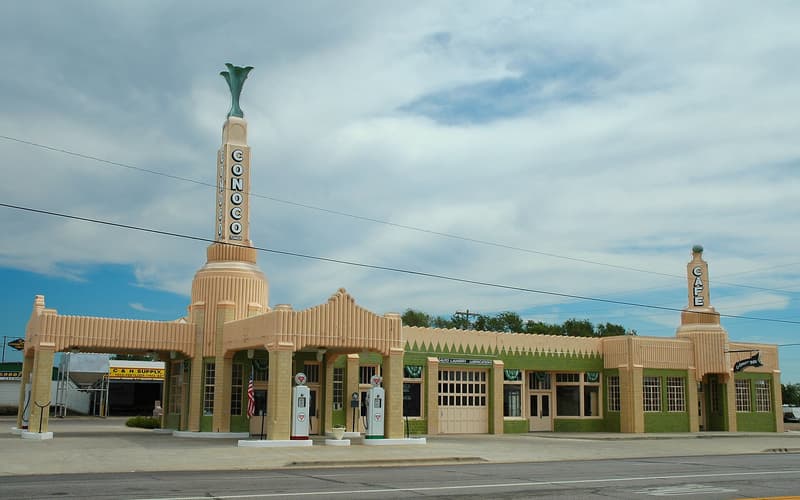
Modern hotels and museums are generally accessible. Trails are rough, but the Palo Duro rim and much of Route 66 can be enjoyed from the car. Ask individual parks about accessible facilities.
Respect the land
Much of this country is private ranch land, so do not cross fences. The Comanche, Kiowa and other Native peoples have deep ties to these plains. Leave artefacts and rocks where they lie.