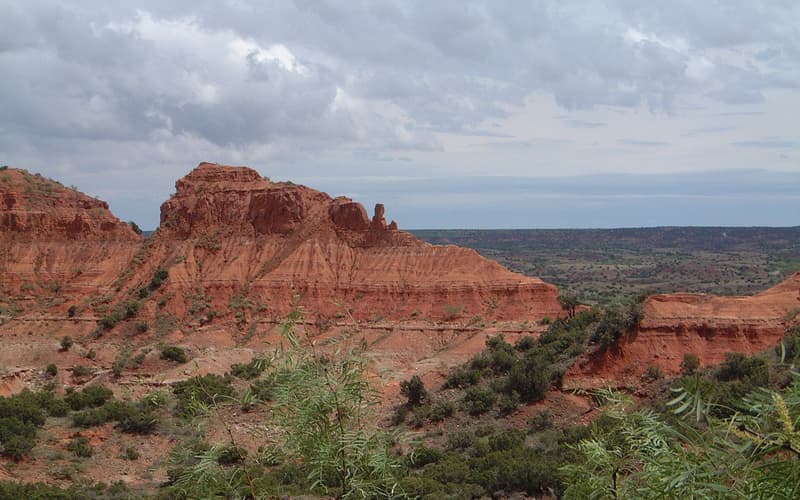
The park road makes a loop on the canyon floor, with several water crossings. Start early in summer: there is very little shade, and the floor is hotter than the rim.
1 The Lighthouse
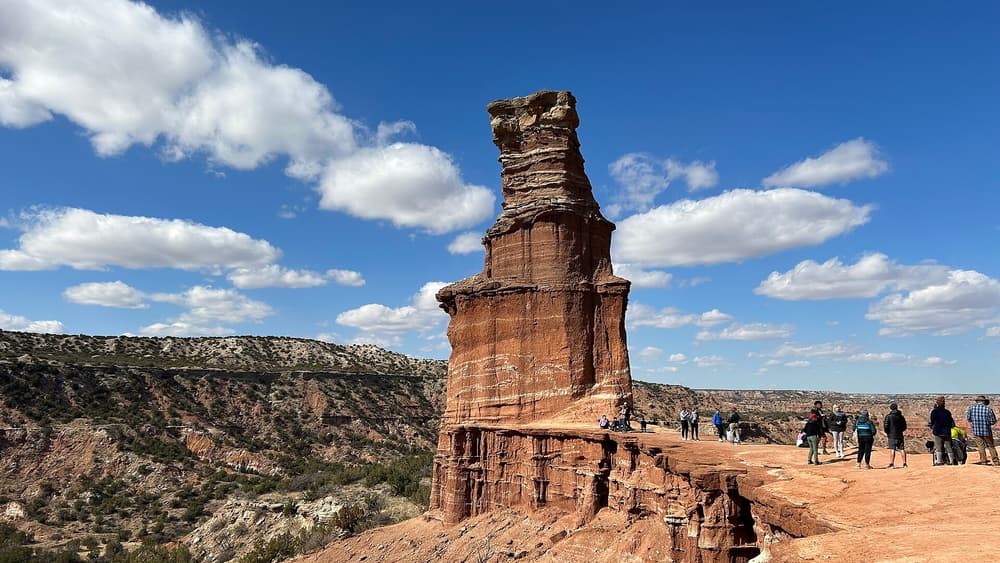
The canyon’s most famous formation, a tall red hoodoo standing above the slopes. The trail is mostly gentle until a final steep scramble to its base. Most people turn back with the views at the top, tired but happy.
Practical: About 5.7 miles (9 km) return, 2.5–4 hours. Carry plenty of water and start early; heat here is dangerous.
2 Rim overlook and visitor centre
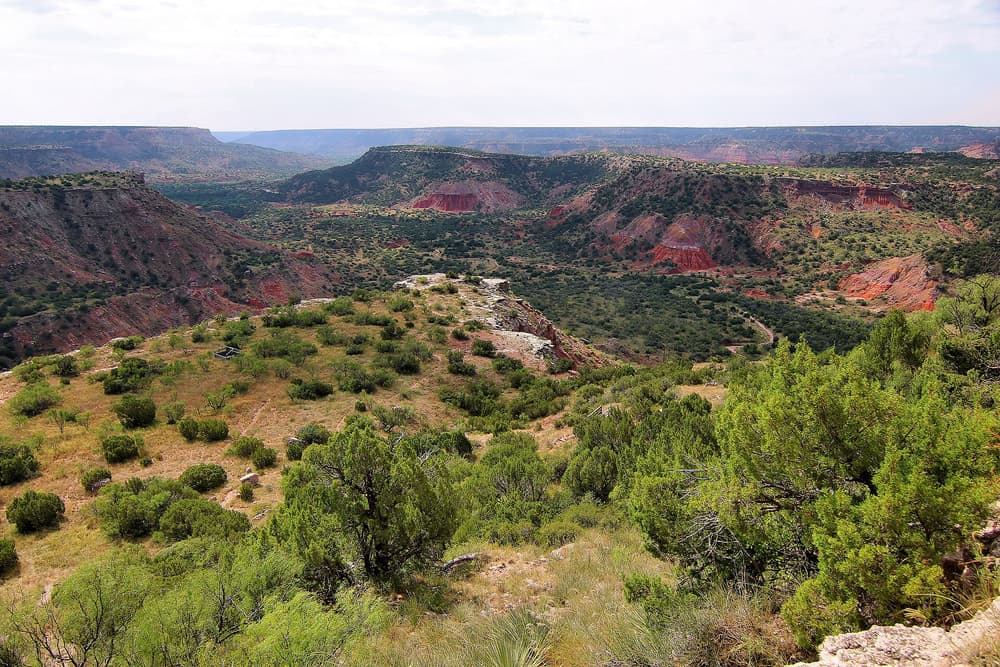
The stone visitor centre was built by the Civilian Conservation Corps in the 1930s, and its terrace gives the first great view. Sunset is a good time to come back.
Practical: Just inside the park. Allow 30 minutes. Confirm the opening hours of the centre.
3 Capitol Peak
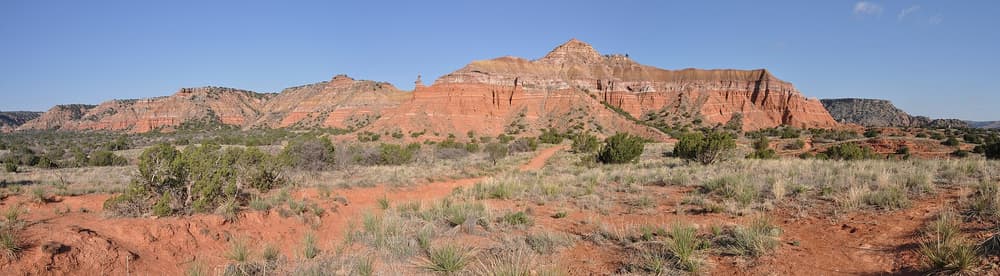
A striped butte often said to resemble a government dome, and one of the park’s best-known photo subjects. It looks finest in low, warm light.
Practical: Visible from trails on the canyon floor; ask rangers for the best current route.
4 Big Cave and the Rock Garden
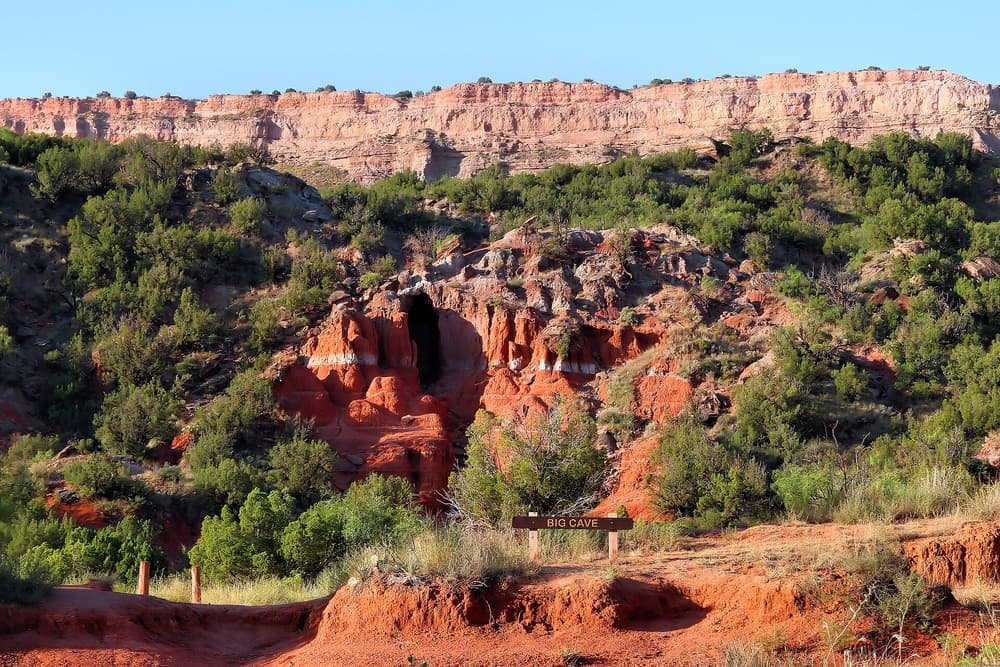
Shorter walks lead to a shallow cave in the red rock, and to a jumble of fallen boulders under the rim. They are good options for families or a second visit.
Practical: Conditions change after storms; check the park’s trail map.
5 Panhandle-Plains Historical Museum
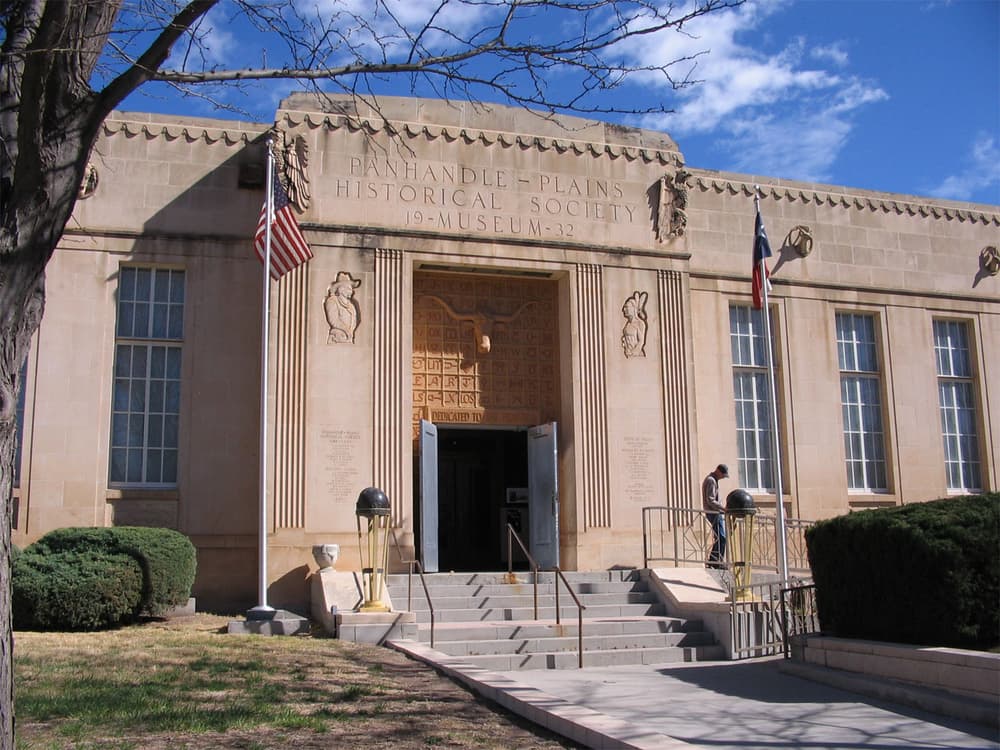
In Canyon, on the West Texas A&M campus: a surprisingly large museum, with an oil-boom town, Western art, fossils and a historic ranch building. It is the perfect shelter from the afternoon sun.
Practical: Ticketed, closed on some days. Check current hours. Allow 2–3 hours.
6 T-Anchor Ranch House
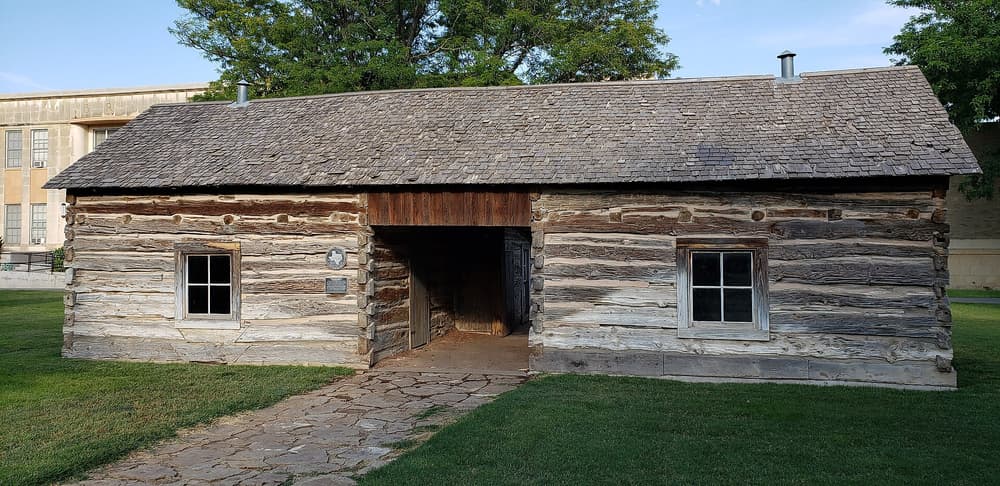
One of the oldest surviving ranch buildings in the Panhandle, a log headquarters from the 1870s, now preserved at the museum in Canyon. It gives you a sense of how recent, and how hard, settlement here was.
Practical: Part of the museum grounds.